
Back-to-Back Category 5 Dust Storms: Why Phoenix-Area Screens Need Attention Right Now
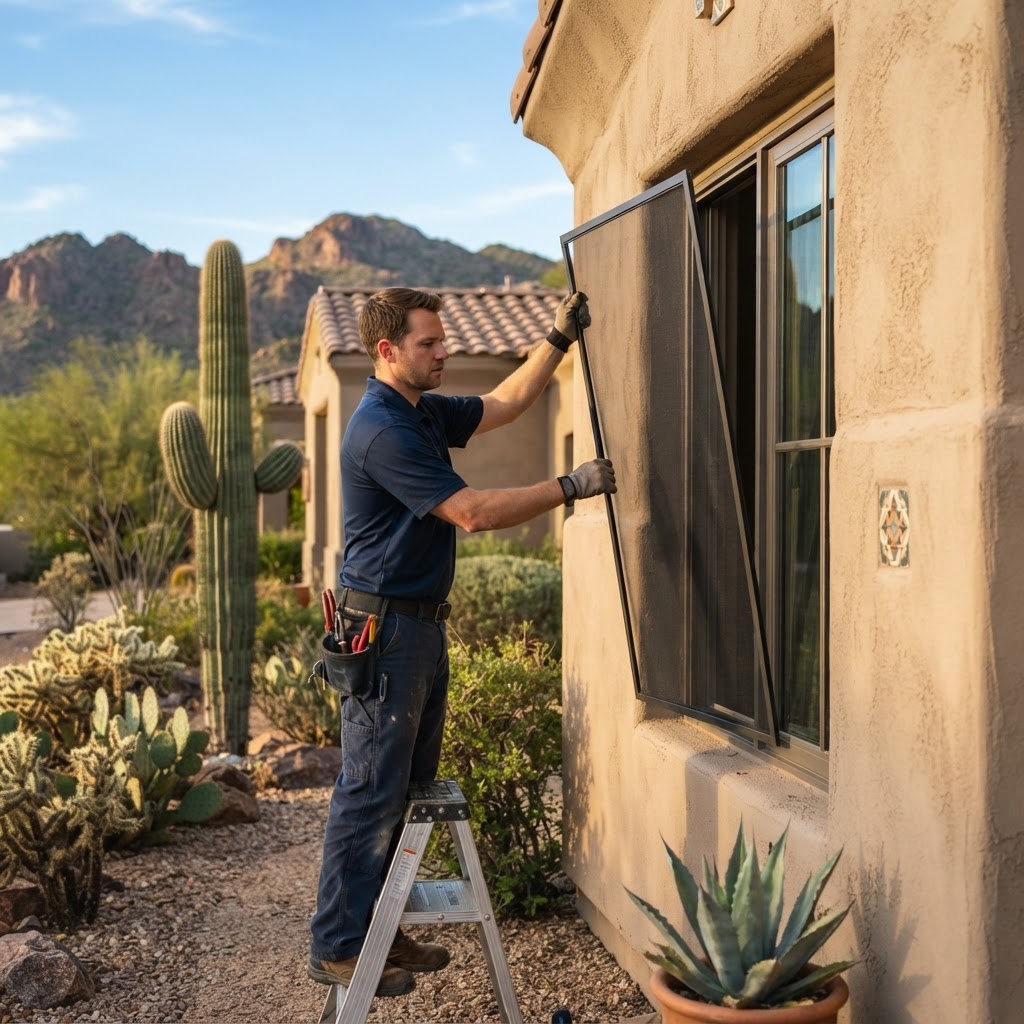
Metro Phoenix has seen two Category 5 dust storms in the same week this August — only the fifth time a storm has hit that top rating on Arizona State University's Phoenix Dust Storm Scale in 16 years. Because these storms have been unusually dry, the dust they kicked up hasn't been washed away by rain and has lingered in the air and settled on homes for days. If your window screens haven't been rinsed or inspected since this stretch of storms began, now is the time.
What Made This Round of Dust Storms Different
Arizona's monsoon season typically brings a haboob followed fairly quickly by rain that clears the air. This month's storms broke that pattern: because the recent Category 5 events were largely dry, a lot of the particulate matter that got kicked up simply hung in the air and settled on every exterior surface instead of getting rinsed away. Air quality monitors across the Valley recorded readings more than 14 times above normal during the worst of it, with some locations topping 700 micrograms per cubic meter of particulate matter — well beyond the federal 24-hour standard. Experts have also noted that many phone air quality apps gave misleadingly safe readings during these events, since they're built to measure smoke rather than dust particulates, meaning residents relying on a quick app check may not have realized how bad conditions actually were outside.
What This Means for Your Window Screens
Window screens do exactly what they're supposed to during a dust event — they catch dust, debris, and grit before it gets into your home. That's good for your indoor air, but it also means your screens are now holding onto days' worth of accumulated dust from an unusually severe stretch of storms. A mesh loaded with dust doesn't just look dirty; it also restricts airflow and can shed fine particulate back into your home every time a window is opened or a breeze passes through.
Beyond the dust itself, this kind of high-wind event is also when we see the most physical screen damage across the Valley: torn mesh from wind-driven debris, spline pulled loose from frames flexing in a gust, and screens pushed partway out of their tracks. A quick post-storm check catches both problems at once.
A Post-Storm Screen Checklist
- Rinse dust-loaded screens with a garden hose and mild soap — avoid pressure washers, which can stretch or tear mesh.
- Check for tears or holes caused by wind-blown debris, especially on screens facing the direction the storm came from.
- Look for gaps at the spline where mesh may have pulled loose from the frame during high winds.
- Make sure screen doors are still tracking straight and seating tightly, since a door pushed off-track during a gust often isn't obvious until you try to close it.
- Note any bent frames — these won't self-correct and will keep letting dust and pests through until repaired.
Why This Matters More Than a Typical Cleaning
A standard seasonal screen cleaning deals with normal dust buildup over weeks or months. Back-to-back Category 5 events compress that same amount of buildup into a matter of days, on top of the storm-related wear that comes with sustained high winds. If your screens haven't been checked since this stretch of storms, they're likely carrying more debris — and more risk of hidden damage — than usual.
Repair or Just Clean? How to Tell
If your screens are simply dust-loaded but otherwise intact, a rinse and inspection is usually all that's needed. If you find torn mesh, a bent frame, or a screen door that no longer seats tightly in its track, that's a repair issue rather than a cleaning one — and it's worth addressing before the next round of monsoon activity, since a compromised screen only gets worse under repeated wind exposure. Our technicians can handle both in the same visit: a full window and screen cleaning alongside any needed window screen repair or screen door repair.
Frequently Asked Questions
Why has dust been lingering longer than usual this monsoon season?
This month's storms have largely been dry, without the follow-up rain that normally clears dust out of the air. That's left elevated particulate levels hanging around and settling on homes for longer stretches than a typical haboob.
How do I know if a dust storm damaged my window screens?
Check for torn or punctured mesh, gaps where the mesh has pulled loose from the spline, bent frame corners, and screen doors that no longer track smoothly or seat tightly when closed.
Can I just hose off my screens myself after a dust storm?
For light dust buildup, a garden hose and mild soap works well. Avoid pressure washers, which can stretch mesh or force water behind frames. If you find tears, bent frames, or off-track doors, that calls for repair rather than a simple rinse.
Are phone air quality apps reliable during a dust storm?
Not always. Many popular air quality apps are built to measure smoke particulates and can under-report conditions during a dust event, so official advisories and visible haze are more reliable indicators of a significant dust storm.
How often should screens be checked during an active monsoon season?
A quick check after any major dust storm or high-wind event is worth doing, in addition to the twice-a-year cleaning most Valley homeowners already schedule.
Get Your Screens Checked and Cleaned
Window Screen Guys provides window and screen cleaning, window screen repair, and screen door repair throughout Scottsdale, Cave Creek, North Scottsdale, Peoria, Glendale, Surprise, and North Phoenix. Call (480) 771-6091 or request a free estimate — we'll rinse the dust, check for storm damage, and fix anything this season's back-to-back storms left behind. See our window cleaning and window screen repair services, or read more monsoon prep tips on our blog.
Need help with your windows?
Shop Screens2Go